TraceME and LoRa
LoRa and TraceME, an ideal match
LoRa is a wireless technology that has been specially developed to exchange small amounts of data between objects and systems. It is a cost-effective solution for Internet of Things (IoT) applications.
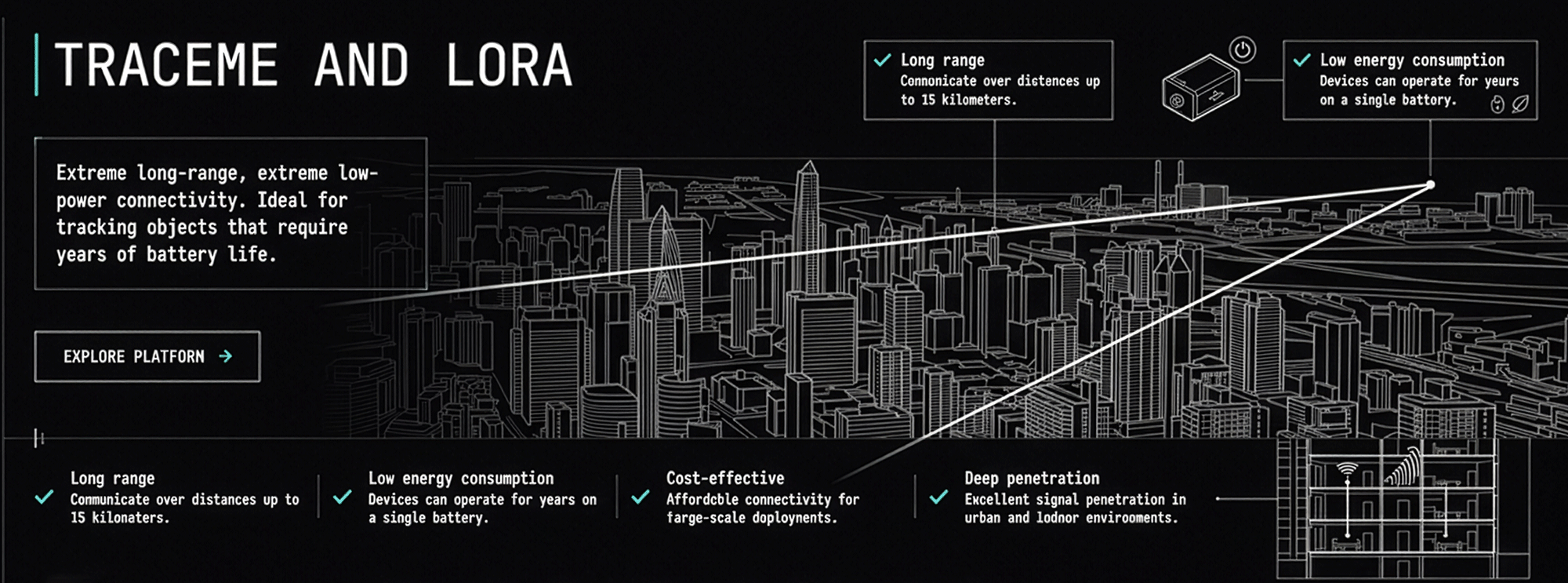
Benefits of LoRaWAN
- Large telecom companies (e.q. KPN, Orange) are rolling out LoRa networks worldwide.
- It uses 868MHz/915MHz ISM bands, which is available worldwide.
- Long-range, energy-efficient, robust, scalable and mobile two-way communication (typical 10-15 km).
- Low power autonomous operation (10-15 years battery life).
- The LoRa network can locate a device with an accuracy of 50 to 150 m.
- Thousands of nodes connect to a single gateway.
- You can set up your own network or use a commercially/publicly available one.
LoRa applications:
The applications where LPWAN's are applicable are endless, but if you look at the main applications driving the current network deployments it is: intelligent building, supply chain, smart city and agriculture. The main IoT applications for LPWA technology need a long battery life to enable 'fit and forget' or disposable end devices, a low-cost sensor and long-range connectivity. The LoRaWAN technology has been designed to respond to use cases where a sensor communicates small amounts of data a few times a day.
Smart metering
- Electricity meters
- Gas meters
- Water meters
Agriculture
- Irrigation control
- Environmental sensing
- Animal tracking
- Moisture sensing
- Flooding sensors
Vehicle telematics
- Traffic information
- Traffic lights
- Vehicle status and location
Tracking
- Motorcycles, bicycles, Cars
- Shipping containers, Delivery service
- Kids, pets, elderly people
- Inventory tracking
Smart city
- Street lighting
- Infrastructure monitoring
- Waste management
- Smart parking
- Air pollution
Industrial
- Logistic, object tracking
- Worker wellness
- Equipment status and location
Suggested LoRa Hardware
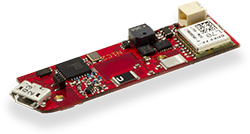
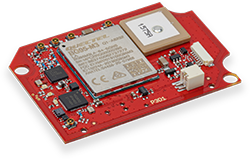
TM-3201/P3D2
Solar, Wi-Fi, BLE, LoRa, Sigfox, LTE-M
Solar and wireless power charging support
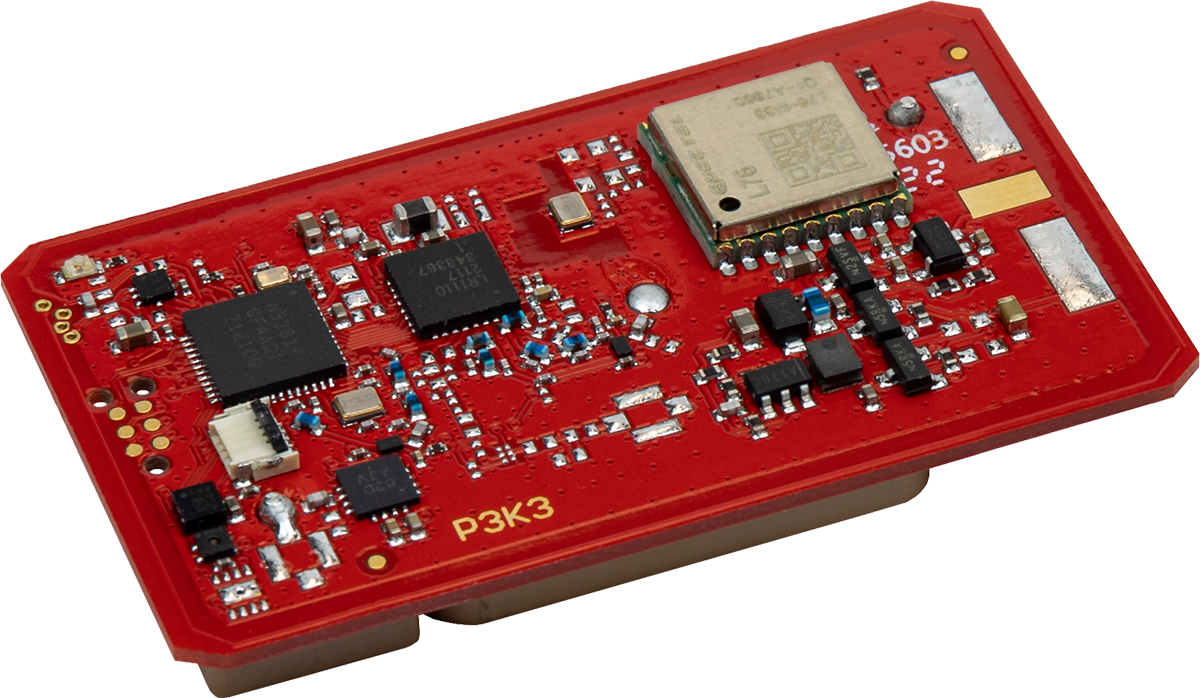
TM-4202/P3K3
LoRa, BLE, GNSS
Standby battery up to 10 years
1. LoRaWAN (Unlicensed Spectrum)
LoRaWAN is the open-standard LPWAN protocol for bidirectional communication in the unlicensed sub-GHz spectrum (typically 868 MHz in Europe or 915 MHz in the US).
- How it works: LoRaWAN uses Chirp Spread Spectrum (CSS) modulation, which is highly resistant to interference and can transmit over incredibly long distances—up to 15km in rural areas and 2-5km in dense urban environments.
- The Advantage: Battery life is the primary strength. Because LoRaWAN is asynchronous (devices only wake up when they have data to send), TraceME devices can achieve 10-15 years of operation on a single battery.
- The Trade-off: Very low bandwidth (0.3 kbps to 50 kbps). It is ideal for small packets of data—like a GPS coordinate or a temperature reading—but cannot handle firmware updates quickly or transmit voice/image data.
2. LTE-M (Long Term Evolution for Machines / Cat-M1)
LTE-M is a cellular technology designed specifically for IoT devices that need to connect to existing 4G and 5G mobile networks.
- How it works: It operates in the licensed spectrum used by mobile carriers. It is essentially a "stripped-down" version of the LTE your phone uses, optimized for machine-to-machine communication.
- The Advantage: Bandwidth and Latency. LTE-M offers up to 1 Mbps throughput and supports VoLTE (Voice over LTE) and Seamless Handover between cell towers. This makes it the superior choice for moving assets (vehicles, logistics) that cross borders or need to transmit larger data sets.
- The Trade-off: Higher power consumption than LoRaWAN and recurring SIM/data fees from cellular providers.
3. NB-IoT (Narrowband IoT / Cat-NB1/NB2)
NB-IoT is another cellular-based LPWAN technology, but it is much more "minimalist" than LTE-M.
- How it works: It uses a very narrow bandwidth (180 kHz) and is designed to coexist with LTE signals in the licensed spectrum.
- The Advantage: Indoor Penetration. NB-IoT is designed for deep coverage—it can penetrate underground, through thick concrete walls, and into basements. It also offers lower power consumption than LTE-M, approaching the efficiency of LoRaWAN in certain static use cases.
- The Trade-off: It does not support cell tower handover. If an NB-IoT device moves between towers, it must re-establish its connection, which drains the battery. This makes NB-IoT ideal for static sensors (water meters, air quality) but poor for high-speed tracking.
Ready to power your IoT solution with LoRaWAN?
Up to 15 years battery life, long range and low cost.
View Hardware